Alcoholic neuropathy refers to nerve damage caused by chronic alcohol use. The condition tends to develop gradually because alcohol injures nerves and also reduces the levels of nutrients that protect and repair them. Many people notice the effects only when the symptoms begin interfering with daily routines.
Understanding ARFID: Overcoming Avoidant/Restrictive Food Intake Disorder
Damage to the nerves leads to unusual sensations in the limbs, reduced mobility, and loss of some bodily functions. With consistent treatment and lifestyle changes, many people notice that their symptoms stabilize or even improve. Stopping alcohol use, improving nutrition, and following a personalized medical plan can support stronger nerve function and better day-to-day comfort. Addiction treatment programs can play a powerful role in neuropathy recovery. They offer medical support, structure, and encouragement that help you stop drinking safely and establish healthier routines.
- Pain can also emerge early because damaged nerves may send distorted or exaggerated signals to the brain.
- Alcoholic neuropathy is a type of peripheral neuropathy caused by alcohol-related nerve damage.
- How long a person has misused alcohol and how much they’ve consumed in their lifetime are two major factors.
Recovery is possible! Take the first step towards a new life today.
It’s important to know that even when nerve damage can’t be completely reversed, stopping alcohol can prevent it from getting worse and reduce the risk of new complications. Alcohol use must be stopped to prevent the damage from getting worse. Treatment for alcohol use disorder may include counseling, social support such as Alcoholics Anonymous (AA), or medicines. Impotence, diarrhea, constipation, or other symptoms are treated when necessary. These symptoms often respond poorly to treatment in people with alcoholic neuropathy. There’s no exact timeframe for how quickly alcohol-related neuropathy develops.
- Abstaining from alcohol and improving your diet can sometimes result in a moderate to full recovery.
- Numbness can make the whole arm, hand or feet feel as if it were dead and could not be moved.
- Yes, alcoholic neuropathy affects autonomic nerves, which control involuntary body functions.
How Long Does Alcoholic Neuropathy Take To Go Away?
The Reveri hypnosis app offers a scientifically backed approach to managing alcohol dependence. You don’t have to choose between treating your pain and treating your addiction—comprehensive care can do both. The goal is to confirm nerve damage, rule out other treatable causes, and identify how much alcohol use is contributing.
How Common is Alcoholic Neuropathy (Alcohol-related Nerve Damage)?

Just like the extremities, alcoholic neuropathy can also affect the internal organs and other body parts. Some common symptoms of alcoholic neuropathy include urinary incontinence, problems when urinating, feeling as if bladder is not completely emptied or difficulty to begin with urination. Some may also experience constipation or diarrhea or alternate changes in the bowel patterns.
Excessive alcohol consumption can lead to numerous health problems, with one of the most significant being alcoholic neuropathy. This condition, caused by prolonged alcohol use, leads to nerve damage that affects movement, sensation, and overall nerve function. While excessive alcohol consumption alcohol neuropathy stages is the primary risk factor for developing alcoholic neuropathy, certain factors can increase an individual’s susceptibility to the condition. One study examined the effectiveness of a specific vitamin B complex in treating alcoholic polyneuropathy. The results showed that the vitamin B complex significantly improved symptoms over a 12-week treatment period14.
Peripheral neuropathy can result from traumatic injuries, infections, metabolic problems, inherited causes and exposure to toxins. This article on Epainassist.com has been reviewed by a medical professional, as well as checked for facts, to assure the readers the best possible accuracy. Additionally, if a person does not feel pain, they can leave themselves more open to infection. The diagnostic process may involve neurological examination, blood tests, and electromyography. Access State-Specific Provider Directories for detailed information on locating licensed service providers and recovery residences in your area. We do not receive any fee or commission dependent upon which treatment or provider a caller chooses.
It is possible for an individual to suffer from both conditions simultaneously, which exacerbates symptoms and complicates diagnosis and treatment. Managing both alcohol drinking and blood sugar levels is crucial for individuals with both alcoholism and diabetes to prevent further nerve damage. Ammendola and colleagues conducted a study to assess differences between men and women in the development of alcoholic neuropathy. This study suggested that females may demonstrate increased sensitivity to the toxic effects of alcohol on peripheral nerves.
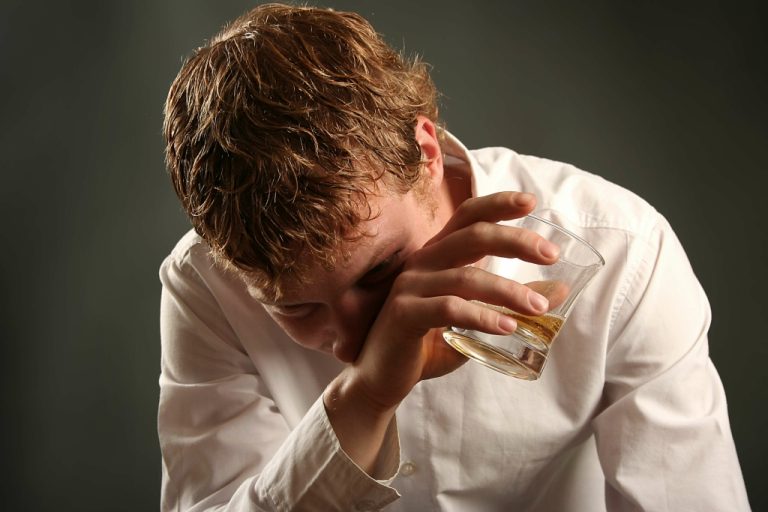
The exact number of people affected by this condition is not known, but studies have shown that up to 66% of patients with Halfway house chronic alcohol use disorder may have some form of the disease. The cause is multifactorial, from both nutritional deficiencies and alcohol metabolism’s direct toxic effects on neurons. Excessive drinking damages peripheral nerves and prevents proper absorption of essential B vitamins needed for nerve health. Research from the National Institutes of Health shows that nutritional deficiencies, particularly B vitamins, play a crucial role in nerve damage among people with alcohol use disorders.
People with alcoholic neuropathy have peripheral nerves damaged by excessive alcohol consumption. Consistent follow-up with healthcare providers is essential to monitor progress, manage symptoms, and adjust treatment plans as needed. Long-term management may include ongoing physical therapy, nutritional support, and regular participation in support groups to maintain sobriety and prevent relapse. The most critical step in managing https://pgwllc.com/beet-juice-and-blood-pressure-study-and-benefits/ alcoholic neuropathy is the complete cessation of alcohol drinking. Continued alcohol use exacerbates nerve damage and negates the benefits of other treatments. Studies have shown that alcohol abstinence is essential for halting further nerve damage and allowing for potential nerve regeneration and symptom improvement.
What are the possible Complications of Alcoholic Neuropathy?
Recovery from and reversal of alcoholic neuropathy is possible when the causes are promptly treated and a proper management is planned. While some nerve damage from alcoholic neuropathy may be permanent, early intervention and comprehensive treatment improves symptoms and halt the progression of the condition. Abstaining from alcohol, improving nutrition, engaging in physical therapy, and using medications to manage symptoms leads to substantial recovery. The timeline for improvement varies among individuals, depending on factors such as the severity of the neuropathy, the duration of alcohol abuse, and adherence to treatment. Some individuals might see improvement within a few months, while others may require a year or more of consistent treatment and lifestyle changes to notice benefits.